
Newberry, with its historic pedigree, has some stunning vintage homes and apartment buildings, and if you’re lucky enough to live in one, you know that these homes sometimes require a lot of elbow grease and love. Older homes and apartments are especially prone to attracting or generating substances that can trigger allergic reactions.
Common Allergy Hazards in Historic Homes
There are many types of allergies, all caused by different substances. Substances that are known to trigger allergic reactions are called allergens, and some of the most common allergens you’ll find in historic homes include:
- Mold
- Dust
- Cockroach, rodent and other pest droppings
- Older building materials, such as formaldehyde or asbestos
- Smoke—both airborne and residual—from wood- and coal-burning fireplaces and furnaces
How Historic Homes Contribute to Allergies
Building Materials
One way historic homes contribute to allergies is through their building materials. Many of these homes and apartment buildings were built before we developed our modern understanding of the adverse effects of certain building materials, such as asbestos, lead paint or volatile organic compounds (VOCs). Substances like these can trigger allergy symptoms when inhaled or touched. In recent decades, regulations and codes have been created to prohibit these harmful substances; however, older homes may still contain them.
Heating
Older heating methods, such as coal, wood, and gas, can create smoke and fine particulate matter, which is absorbed and scattered on surfaces throughout the house. When you consider that some of these homes are over 100 years old, that’s a lot of smoke! Fine particulate matter can irritate the throat and lungs if inhaled, leading to allergy-like symptoms.
Additionally, older homes and buildings often have poor ventilation, so even if the heating system has been upgraded since the house was constructed, allergens such as dust and mold spores are kicked up and spread around when the heating system turns on.
Moisture
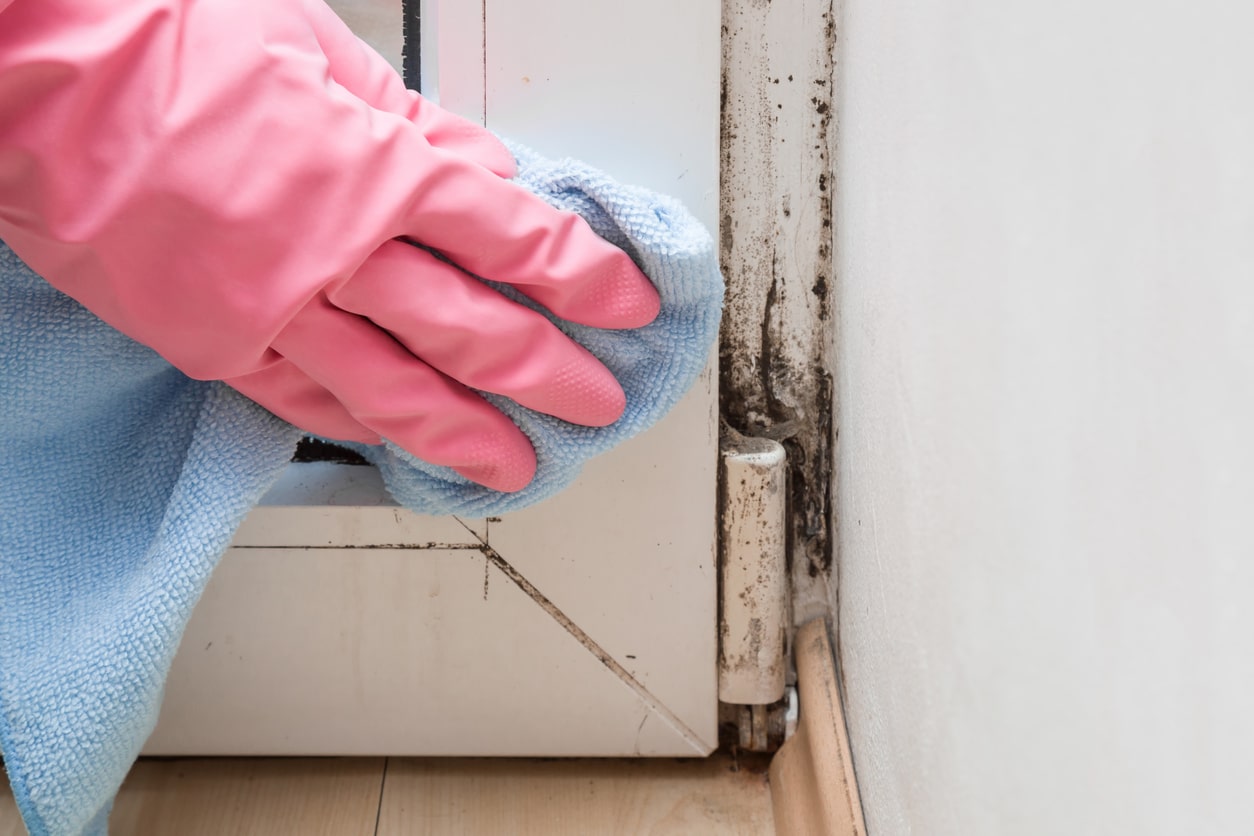
Old buildings can get damp and musty, especially in spaces like basements. Dark, warm, moist environments are the perfect breeding grounds for mold and fungus. Mold allergies are quite common. As mentioned above, heating—especially central heating—can send allergens soaring throughout the home, so if there’s mold anywhere in your home or building, it’ll likely find its way to you.
Pests
As much as we love historic homes, there’s no denying that they have a higher chance of attracting pests, like cockroaches and mice. These pests cause allergy symptoms due to proteins found in their hair, dander, saliva, urine and feces. These allergens can gather in upholstery, mattresses, linens, carpeting, and other soft surfaces, and they’re easily dislodged and become airborne during vacuuming and cleaning.
Remodeling
Remodeling can be a great way to mitigate allergens and how they accumulate; however, the act of remodeling may stir up latent allergens in the home and make symptoms worse. It may also expose allergens that you didn’t even know were there, such as mold in the insulation or pest particles under the floors.
Staying Allergy-Free in Your Historic Home
Research has shown that people living in homes built before 1990 have high rates of allergies and asthma, but there are ways to stay ahead of it and live happily in your charming old home. First, if you are suffering from allergy symptoms at home, it’s wise to get an allergy test to find the source of your sensitivity. After that, you can use that information to manage your symptoms appropriately.
If you have any more questions about allergy treatment and how to maintain your beautiful historic home in an allergy-friendly way, call Carolina Pines ENT. We have a wealth of information, as well as a deep love of our historic and lovely Newberry. Call today to learn more.