
If you’ve been battling a cold or other virus lately, you may have noticed that some of your most uncomfortable symptoms, like a sore throat, seem more intense at night, only to feel better during the day. Why is that?
Dryness
Your throat needs hydration and moisture to fight the infection, and a well-hydrated lining of mucus in the throat will soothe the irritation. When your throat is dry, it can exacerbate sore throat symptoms. There are a few nighttime factors that lead to a dry throat:
- Dehydration. Dehydration will be especially noticeable at night, because you don’t drink water during the hours you’re asleep. If you didn’t drink enough water during the day, you’ll feel the effects of dehydration overnight and the next morning.
- Mouth breathing. Many people breathe with their mouth open at night, and this may be especially true if you have a stuffy nose from a cold and can’t breathe through your nose particularly well. This can dry out your throat.
- Dry air. Stagnant indoor air is often pretty dry, especially in the colder months. Dry air will dry out your throat as you breathe.
Postnasal Drip
Another factor that might intensify your sore throat at night is postnasal drip. Postnasal drip occurs when mucus from your head and sinus cavities drains down into your throat. This is a natural drainage pathway, but if the mucus is infected or mucus production is increased, it could further irritate your throat. Moreover, this effect is more noticeable at night because you’re lying down, which can cause the mucus to accumulate at the back of the throat instead of continuing downward.
Acid Reflux
This one can affect you even when you’re not sick. Acid reflux occurs when stomach acid rises up into your esophagus, throat and mouth. Stomach acid in the throat will irritate the throat and cause a sore throat. Acid reflux usually happens when you’re lying down, when gravity isn’t able to keep the stomach acid in your stomach.
How To Find Relief
A sore throat is painful, and that pain may keep you up at night. Find relief in the following ways:
- Drink plenty of fluids. This will help you stay hydrated and soothe your irritated throat. Warm fluids, like broth or tea, can ease some of the worst soreness with the warmth.
- Elevate your head while sleeping. Keeping your head elevated can help alleviate congestion, which can mitigate the most significant effects of postnasal drip. It will also help with acid reflux.
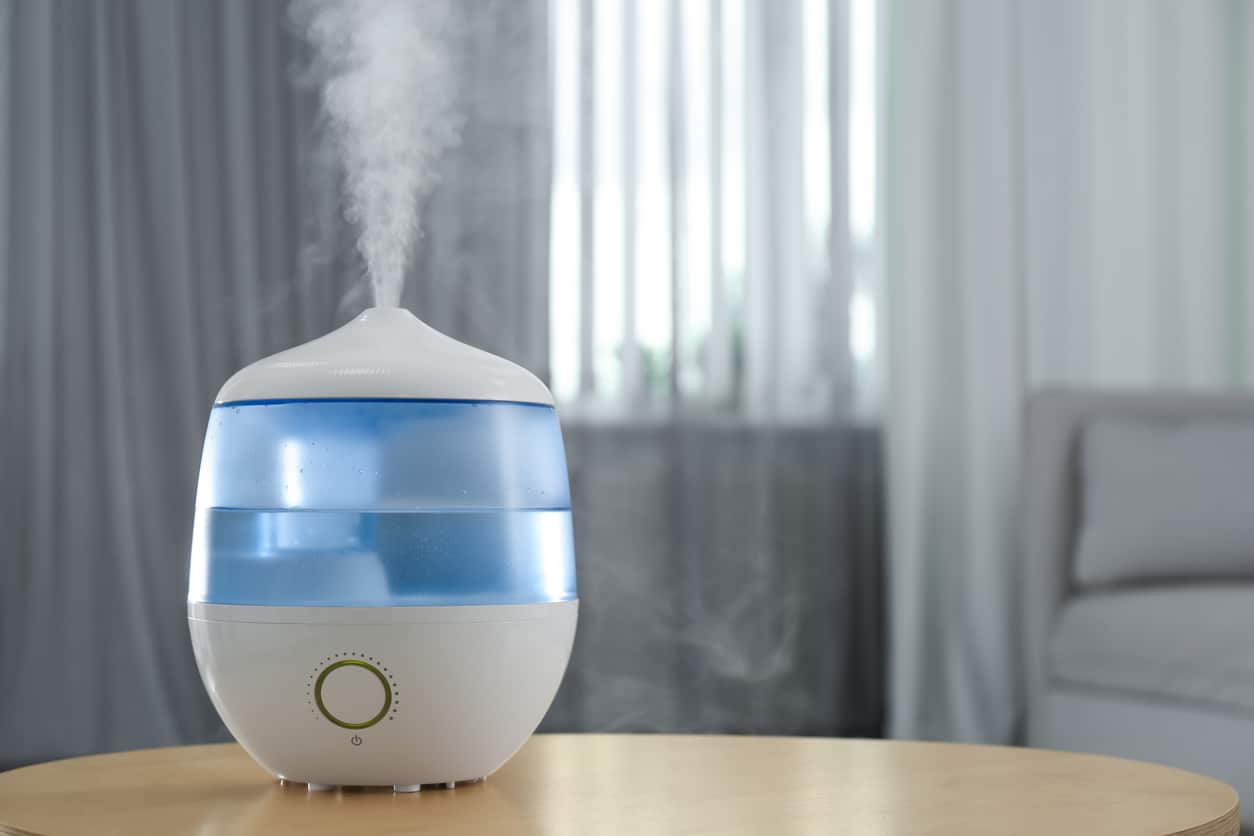
- Use a humidifier. A humidifier will add moisture to the air, helping with the issue of breathing in dry air.
- Take over-the-counter medications. Pain relievers and decongestants can help treat the causes of your sore throat and relieve symptoms.
If symptoms persist or your sore throat doesn’t appear to be tied to a virus, consider consulting an ENT specialist. Call Carolina Pines ENT today to learn more and schedule an appointment.