
This time of year can be tricky for parents of children with allergies: cold season hasn’t yet ended, but seasonal allergies are starting to show up. Moreover, the nice weather and the upcoming spring sports season mean you and your child will be spending much more time outdoors. You may be unsure if your child’s sniffly nose is due to early allergies or a lingering cold. Let’s discuss how to recognize if your child is suffering from allergy symptoms and what to do about it, to ensure you and your child have a fun-filled spring.
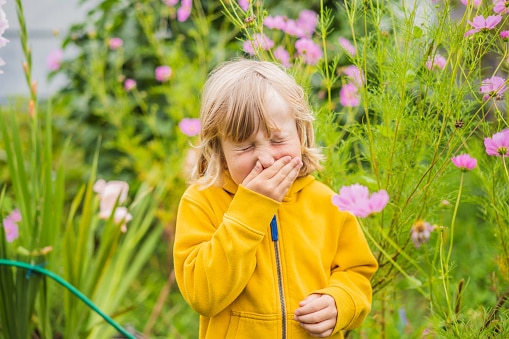
What Is Causing Your Child’s Allergies
Seasonal allergies are rather common in kids, affecting over 20% of children in the United States. Seasonal allergies are caused by grass, tree, plant and flower pollen. Pollen is a microscopic, powdery substance that plants release into the air, and when someone with seasonal allergies inhales it, it causes an allergic reaction.
Newberry is known for its beautiful landscapes, but unfortunately, that is where most of the pollen comes from. In the early spring, tree pollen is especially prominent, particularly from oak, pine and cedar trees. Flower pollen will emerge in the late spring, once the flowers have fully bloomed. And in summer, grass pollen will peak.
If your child is in any spring sports, such as track, soccer or baseball, pollen is especially prolific. You’ll be spending plenty of time outdoors, and running around a field will kick up any pollen that might have landed on the turf. Dust, too, is a common allergen that gets kicked up on the sports field, especially in baseball, softball and tee ball.
Common Allergy Symptoms in Children
These are the symptoms that children most often have when in the middle of an allergic reaction:
- Itchy, watery eyes
- Itchy, runny nose
- Sneezing
- Postnasal drip
- Congestion
- Coughing or wheezing
- Difficulty breathing or asthma
- Rashes which can itch or burn
- Sore throat
- Nausea
The passageways between the ears, nose, and throat are much smaller in children than in adults, so while an adult might have milder versions of the symptoms listed above, a child is much more likely to experience them and suffer complications. For example, inflammation in the nose can lead to ear infections, and congestion is more likely to cause asthma.
How to Prepare for Spring Sports
As we’ve discussed, you’ll be spending more time outside as the weather warms up. Be sure you’re checking the local weather forecast for the pollen count so you can be prepared for high-pollen days.
Additionally, now is the perfect time to begin preparations for allergy season, especially if your kid is in sports and will be spending more time outdoors. Stock up on pediatric allergy medications, such as children’s Benadryl or children’s Zyrtec. Children’s saline spray may also be useful if your child gets especially congested during allergy season.
If your child has allergies and you don’t know exactly what’s causing them, or if you’re unsure if your child has allergies at all, it would be wise to schedule an allergy test for them. This test will help you gain clarity on what you’re up against and point you in the direction of effective allergy management and treatment. Call Carolina Pines ENT today to learn more about children’s allergy testing!