
If you’re tired of sneezing through South Carolina’s long pollen seasons or relying on allergy medications year after year, you’ve probably heard about allergy immunotherapy. Unlike medications that temporarily mask symptoms, immunotherapy works to retrain your immune system so it becomes less sensitive to the allergens triggering your symptoms. But what is immunotherapy? Let’s break it down in plain English.
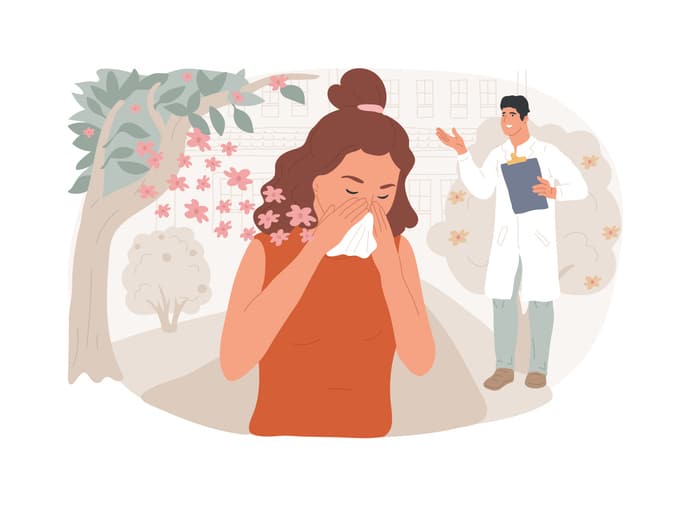
What Is Allergy Immunotherapy?
Allergy immunotherapy exposes your body to tiny amounts of the allergens that cause symptoms. Over time, your immune system learns to tolerate those allergens rather than overreacting.
Immunotherapy may help with:
- Seasonal allergies (tree, grass and weed pollen)
- Indoor allergies (dust mites, mold, pet dander)
- Year-round allergy symptoms
- Allergy-triggered asthma in some patients
There are two ways to undergo allergy immunotherapy: allergy shots and sublingual drops.
Allergy Shots (Subcutaneous Immunotherapy)
Patients receive injections containing small amounts of their allergy triggers. The dose gradually increases over time until a maintenance level is reached.
Typical Timeline
Build-Up Phase
- Usually 1–2 shots per week
- Lasts approximately 3–6 months
Maintenance Phase
- One shot every 2–4 weeks
- Typically continues for 3–5 years
When Will I Feel Better?
Most patients notice improvement within:
- 3–6 months for early symptom relief
- 6–12 months for more significant improvement
- 1–2 years for maximum benefit
Some patients continue experiencing fewer allergy symptoms even after completing treatment.
Pros of Allergy Shots
- Extensive research and long track record
- Effective for multiple allergens at once
- Can offer long-lasting symptom relief
- Often beneficial for patients with severe allergies
- May reduce dependence on allergy medications
Cons of Allergy Shots
- Require regular office visits
- Injections can be uncomfortable
- Time commitment can be significant
- Patients must remain in the office after each shot for monitoring
- Small risk of allergic reactions
Allergy Drops (Sublingual Immunotherapy)
Patients place allergy drops under the tongue daily, allowing the immune system to gradually build tolerance to allergens.
Typical Timeline
Starting Treatment
- First dose is administered at the office to monitor for any potential side effects
Ongoing Treatment
- After the first dose, you can continue treatment at home
- Continued consistently for 3–5 years for best long-term results
When Will I Feel Better?
Many patients begin noticing:
- Initial improvement in 3–6 months
- Greater symptom reduction after 6–12 months
- Continued improvement with long-term use
Consistency is critical. Missing doses regularly can reduce effectiveness.
Pros of Sublingual Drops
- No injections
- Convenient home administration
- Ideal for patients who dislike needles
- Less disruption to work, school, or family schedules
- Generally associated with fewer severe systemic reactions
Cons of Sublingual Drops
- Requires daily commitment
- Results depend heavily on adherence
- May not be covered by all insurance plans
- Some patients experience mild mouth or throat irritation
- Not every patient is an ideal candidate
Which Option Is Better?
The truth is that there isn’t one “best” option for everyone.
Allergy shots may be a great choice if:
- You have severe or complex allergies
- You don’t mind regular office visits
- You want a treatment backed by decades of research
Sublingual drops may be a great fit if:
- You dislike needles
- Your schedule makes frequent office visits difficult
- You prefer the convenience of home-based treatment
The best choice depends on your allergy profile, lifestyle, age, medical history and treatment goals. And, of course, our trained allergists at Carolina Pines ENT can help you make this decision with their recommendations. Call us today to learn more. trained allergists at Carolina Pines ENT can help you make this decision with their recommendations. Call us today to learn more.